National Renewable Energy Platform

January, 2026 Newsletter

NREP Highlights

Clean Cooking Competition 2025 - What’s Next

Following the successful completion of the Renewable Energy / Clean Cooking Competition 2025, the National Renewable Energy Platform (NREP) is now gearing up for the next Clean Cooking Competition cycle. Building on the strong participation, innovation, and youth engagement demonstrated during the recent event, preparations are already underway to expand impact and outreach in the upcoming edition.

Stakeholders, schools, youth, partners, and the general public are encouraged to keep a close watch on NREP social media platforms, official website, email updates, and other media channels for the official announcement of registration dates, participation guidelines, and competition details. More information will be shared soon. We look forward to even broader participation as we continue advancing clean cooking awareness and adoption across Uganda.

RE Sector Highlights Around the Region and Globe

1. Oil profits and energy reforms can spark Uganda’s renewable future

The Africa Energy Indaba 2026 is thick with the energy narrative that finally shifts from potential to production. While the global north debates “net zero,” we in Sub-Saharan Africa are navigating a “Great Reset” where carbon neutrality must coexist with the urgent need to replace charcoal stoves with something better. Africa holds 60% of the world’s best solar resources, yet we attract less than 2% of global clean energy investment. In Uganda, we have made massive strides, reaching 2,052.6 MW of installed capacity following the full commissioning of the 600 MW Karuma Hydro Power Plant. We have achieved a deliberate surplus, which Fatih Birol, executive director of the International Energy Agency, once called a “moral imperative” for industrialisation. Yet, despite this generational “win,” we face a sobering reality: only about 28% of Ugandans are connected to the national grid.
2. Uganda Ramps Up Power Supply as Solar, Grid Expansion Drive Energy Transition

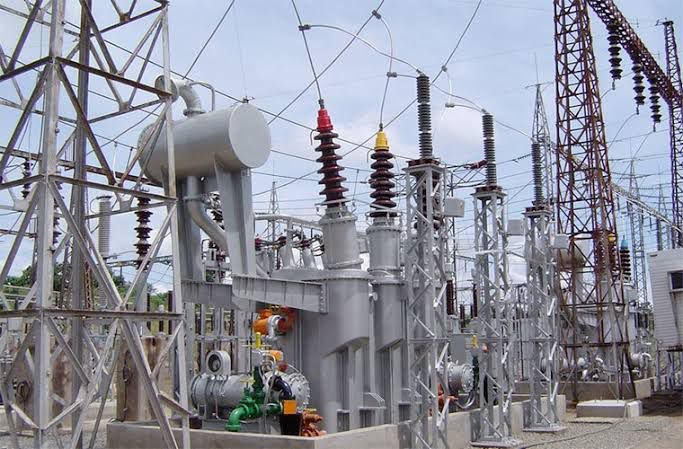
Uganda’s electricity sector is undergoing a major expansion, driven by rising generation capacity, rapid grid growth and increased investment in renewable energy, as the government prepares to meet surging demand from households and industry while cutting reliance on fossil fuels and biomass. The Ministry of Energy says Uganda’s installed electricity generation capacity has grown by about 70 per cent over the past five years to more than 2,000 megawatts, supported by new hydropower, solar projects and expanded transmission infrastructure.

3. Mitigating climate change: Buganda adopts biogas for clean cooking

Buganda Kingdom has adopted the use of biogas for clean cooking as part of efforts to combat climate change, reduce poverty and curb environmentally related diseases. The Kingdom recently launched a biogas initiative and is urging communities particularly those in rural areas, to embrace this clean energy source. It has also called upon service providers to lower the cost of biogas technology to make it more accessible. As part of the programme, the Kingdom has introduced a community biogas training initiative aimed at empowering young people and women from low-income households to promote the adoption of affordable and sustainable energy solutions across all counties.

4. Clean cooking strategy positions Uganda for a just energy transition

Over 93% of Ugandan households rely on wood and charcoal as their most accessible and affordable fuels. This leads to respiratory illnesses from household air pollution, especially among women and children; strains forests; and burdens families with significant time and income spent on fuel. In late 2025, Uganda moved towards a more equitable energy future by launching its first National Integrated Clean Cooking Strategy (NICCS), developed with support from SEI, Berkeley Air Monitoring Group, the Clean Cooking Alliance and the Centre for Integrated Research and Community Development Uganda. NICCS provides a unified, long-term solution to Uganda’s reliance on wood and charcoal for cooking.
5. Uganda’s energy and extractives sector poised for growth in 2026

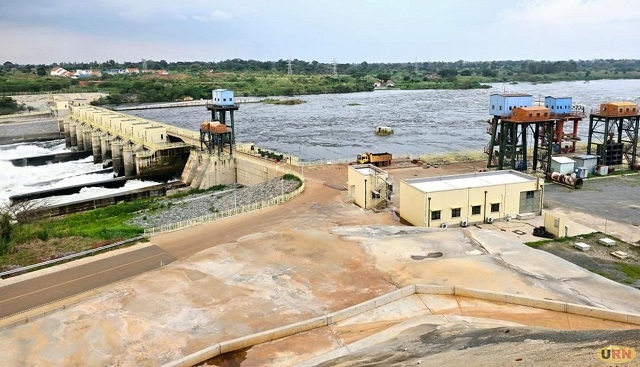
As 2025 closed, Uganda’s energy and extractives sector reached a pivotal moment, driven by accelerated infrastructure delivery, regulatory reform, and a strategic push to convert natural resource potential into economic growth. The Ministry of Energy and Mineral Development framed the year not as a series of isolated projects, but as the convergence of power generation, mineral value addition, oil readiness, and institutional reform into a unified development agenda. The Independent’s Julius Businge reports. The 600MW Karuma Hydropower Project was the year’s flagship achievement, reinforcing Uganda’s role as a regional electricity exporter while reducing system costs and enhancing grid stability.
6. Regulator holds power tariffs steady despite shilling’s weakness

The Electricity Regulatory Authority has maintained energy tariffs for the first quarter of 2026, using a decline in global oil prices to absorb the impact of a weakening Ugandan shilling. The decision provides continuity for industrial consumers during a period of currency volatility. The regulator’s quarterly review, which adjusts tariffs for electricity supplied by the Uganda Electricity Distribution Company Limited based on exchange rates, fuel costs, inflation and the energy generation mix, found competing macroeconomic forces in rough equilibrium. While the shilling depreciated to Shs3,624.91 against the dollar — from Shs3,552.14 in the previous quarter — international oil prices fell from $70.97 to $64.46 per barrel, a 9 per cent decline that offset currency pressures.

7. Clean Cooking in Schools No Longer a Luxury, Vivo Energy Tells Educators

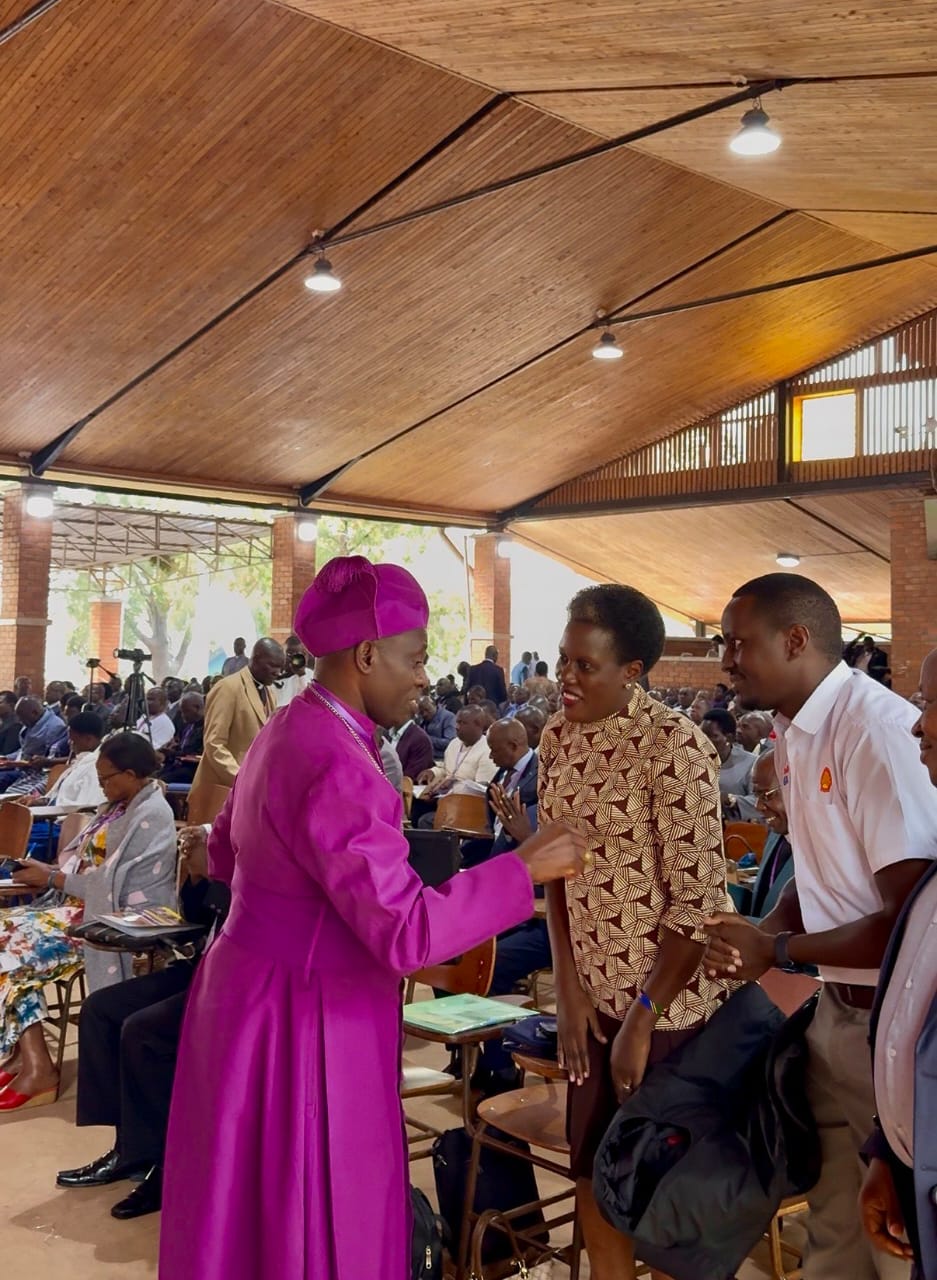
Vivo Energy Uganda has urged education leaders to shift school kitchens away from firewood and charcoal, saying clean cooking solutions are no longer an environmental luxury but a public health and education priority. The call was made during the Church of Uganda Annual Heads of Education Institutions Retreat, held on Wednesday at Uganda Christian University (UCU), Mukono, which brought together leaders from more than 2,000 pre-primary schools, 5,200 primary schools, 630 secondary schools, 50 BTVET institutions and five universities.

8. How solar irrigation is transforming the lives of smallholder farmers in Kenya –lessons and the road ahead

To break this cycle of climate vulnerability, the social enterprise SunCulture supported by Shell Foundation and the UK Foreign, Commonwealth & Development Office (FCDO) under the Catalysing Agriculture by Scaling Energy Ecosystems (CASEE) programme is deploying off-grid solar irrigation through an innovative “pay-as-you-go” (PAYGO) credit model. By embedding energy access directly into the irrigation system, SunCulture’s approach bridges water and power infrastructure gaps, making decentralised adoption feasible where grid power and diesel fuel remain unavailable or cost prohibitive. SunCulture reports having over 60,000 customers and more than 70% of the market share for solar irrigation solutions in sub-Saharan Africa.
Upcoming Events

• ENERGY ACCESS EXPLORER (EAE) ONLINE TRAINING

Join us for a practical demonstration of the Energy Access Explorer (EAE) the world’s first Digital Public Good advancing inclusive, climate-compatible energy transitions. This online session will walk participants through AE’s interactive geospatial tools and show how governments, businesses, financiers and civil society can use the platform to:

  • Identify high-priority areas for electrification and clean energy investments
  • Improve planning for health facilities, schools, agriculture, clean cooking, livelihoods
  • Access and analyze transparent, up-to-date datasets across Uganda and the region
  • Support decision-making with customizable, evidence-based insights

Date: 18th February, 2026

Time: 15:00Hrs – 16:30Hrs

Venue: Virtual Event (Online)

• ARE Energy Access Investment Forum 2026

The ARE Energy Access Investment Forum (EAIF) is the top annual investment event, fostering partnerships for the purpose of renewable electrification, including energy access, productive use, commercial & industrial uses of power and the green energy transition. With a track-record since 2016, ARE aims to mobilise 500 people in-person and over 1,000 people virtually for a total of more than 1,500 participants. The Forum will have interpretation in French and English. EAIF 2026 is organised by the Alliance for Rural Electrification (ARE), and co-hosted by the European Union through its Global Gateway initiative. The Forum is supported by GET.invest, a leading European programme that mobilises investment in clean energy, co-funded by the European Union, Germany, Norway, the Netherlands, Sweden and Austria. With the patronage of the Ministry of Energy and Petroleum of Kenya, this special EAIF edition will bring together private and public investors, industry leaders from both the energy and related sectors, utilities and government officials, for an exclusive EAIF experience.

• International Conference on Solar Energy Engineering and Photovoltaic Systems (ICSEEPVS)

International Conference on Solar Energy Engineering and Photovoltaic Systems aims to discuss trending subjects to initiate interesting discussions. Also, these events will welcome researchers, students, scholars, and professionals from around the globe. You can meet exceptional personalities, build connections and create remarkable participation. Attendance in these events will open doors to new opportunities.

Be Where Innovation Meets Impact

Join us at upcoming NREP events designed to spark ideas, foster partnerships, and shape a sustainable future.

Funding Opportunities


Share Post

Leave a Reply

Your email address will not be published. Required fields are marked *