Across Iganga, Ntungamo, and Nakasongola Districts, a new chapter in local agricultural development is unfolding. In recent weeks, district leaders, technical officers, farmer representatives, and development partners gathered for consultative dialogues to establish District Agri-Energy Task Forces. These platforms form a key part of the Power for Food Partnership, a five-year initiative (2025–2029) driven by SNV and the IKEA Foundation, in collaboration with the National Renewable Energy Platform (NREP), Ministry of Energy and Mineral Development (MEMD), Ministry of Agriculture, Animal Industry and Fisheries (MAAIF) and other national stakeholders.
Agriculture remains the backbone of Uganda’s economy, having contributing about 26.1% of GDP in FY2024/25 and employing the majority, over 78% of the population. This remarkable economic contribution remains challenged by climate vulnerability, high post-harvest losses, and limited access to reliable energy continue to hold back potential. The new district-level Task Forces aim to bridge this gap by: Strengthening coordination across agriculture, energy, water, environment, and local economic development departments;Mainstreaming RA-PURE approaches into district development plans and budgets;Facilitating demonstrations of practical technologies (solar pumps, dryers, cold rooms, etc.);and Promoting stakeholder collaboration from farmer cooperatives and private sector providers to NGOs and financial institutions.
During the field engagements, the idea was warmly received. In Nakasongola, for instance, political leaders including the RDC, LC V Chairperson, and CAO expressed strong support, describing the Task Force as a valuable addition to existing coordination structures. Similar enthusiasm was noted in Iganga and Ntungamo, where participants saw clear alignment with national priorities such as NDP IV’s agro-industrialization and sustainable energy goals. District teams appreciated the inclusive approach while ensuring representation from key departments (Production, Natural Resources, Planning, etc.), civil society, and the private sector.
Discussions focused on practical matters: selecting capable focal persons, defining the role of Technical Working Groups, ensuring financial sustainability, and integrating the Task Forces into existing district governance structures like the District Technical Planning Committee.
The next immediate step is the formal confirmation and launch of these committees. This will include finalizing membership, appointing chairs and secretariats (with NREP and Advocacy Coalition for Sustainable Agriculture (ACSA) providing initial support), and developing a tailored 9-month roadmap for each district. Once operational, the Task Forces will drive local pilots, community mobilization, and evidence gathering to inform both district budgets and national policy.
These developments signal growing momentum for integrated solutions that treat agriculture and clean energy as two sides of the same coin. For farming communities in Iganga, Ntungamo, and Nakasongola, the message is hopeful: coordinated support is coming to turn abundant sunshine, fertile land, and local innovation into real, lasting gains in productivity and resilience.
The journey is just beginning, but the early reception suggests these Task Forces could become powerful local engines for Uganda’s green agri-transformation.
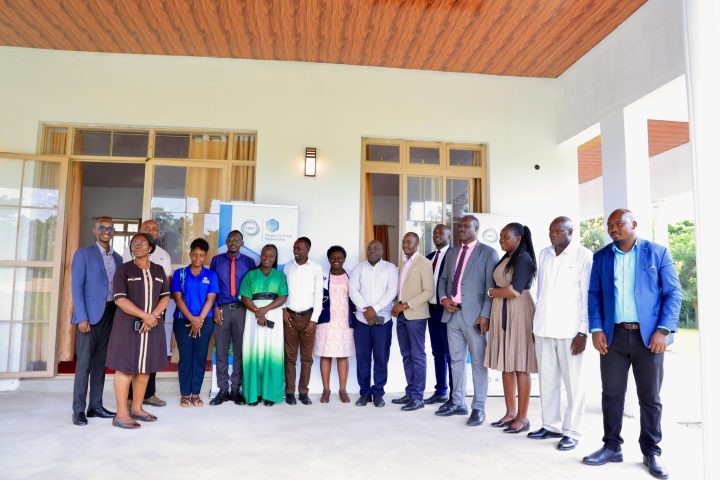
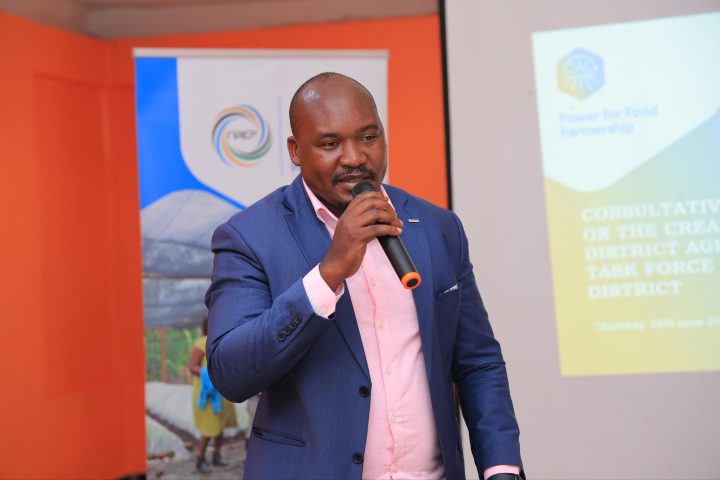
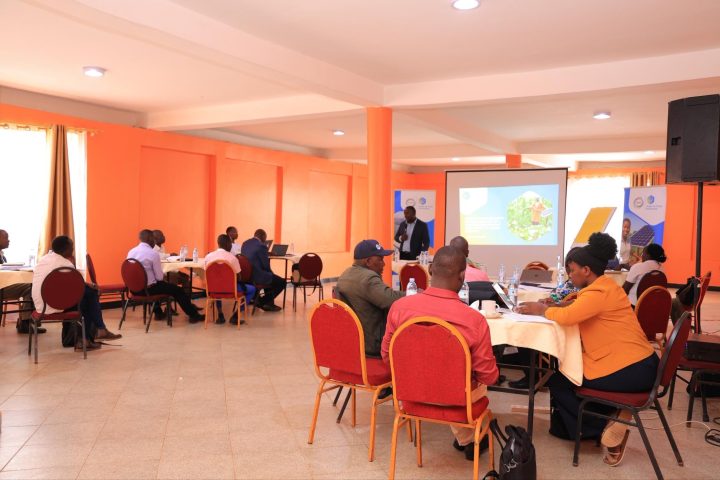
Iganga District Dialogue
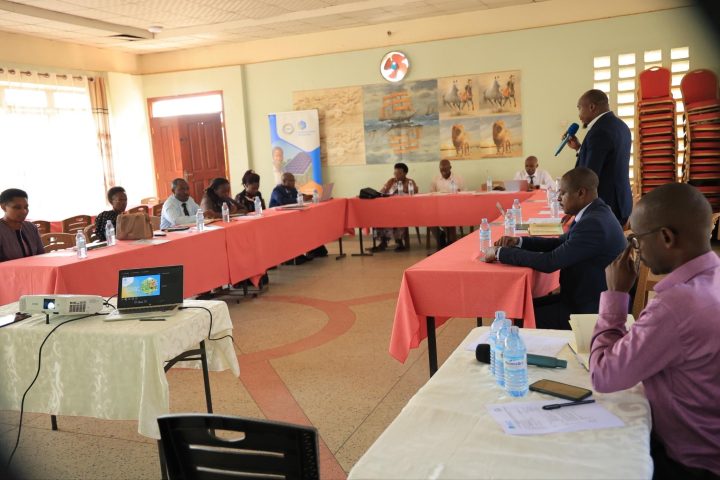
Explore the Renewable Energy Training Center (RETC)
A leading initiative dedicated to strengthening Uganda’s renewable energy sector through high-quality technical training and capacity building.