National Renewable Energy Platform


Electric Cooking
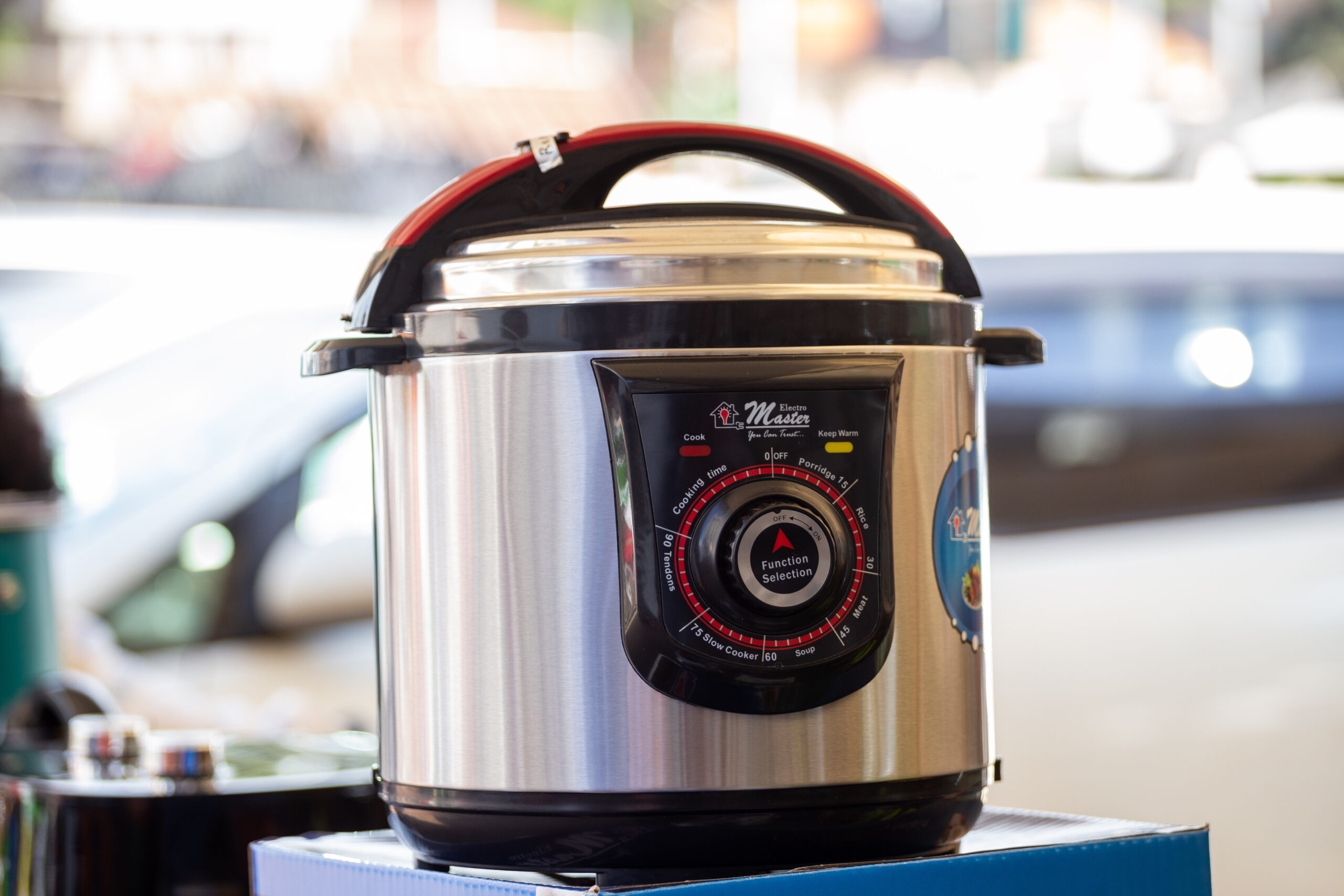 Electric cooking options, such as induction stoves, electric pressure cookers (EPCs), and standard electric cookers, offer zero-emission solutions powered by electricity. These technologies are efficient and versatile, catering to a wide range of cooking needs.
Key Features:
Electric cooking options, such as induction stoves, electric pressure cookers (EPCs), and standard electric cookers, offer zero-emission solutions powered by electricity. These technologies are efficient and versatile, catering to a wide range of cooking needs.
Key Features:
- Produces no emissions, making it the cleanest cooking option.
- Highly energy-efficient and allows precise temperature control.
- Reduces cooking time, especially with EPCs.
- Requires reliable electricity supply, which may be inconsistent in some areas.
- High upfront cost for appliances like induction stoves and EPCs.
- Dependence on grid stability or alternative power sources.
Biomass
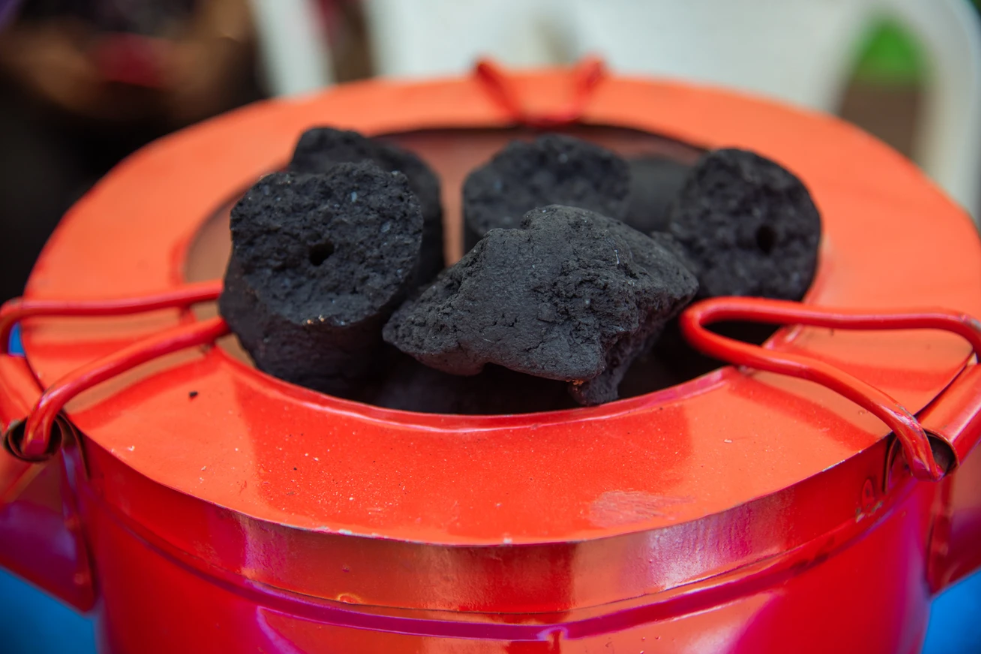 Modern biomass stoves are designed to burn wood, crop residues, and briquettes more efficiently than traditional open-fire methods. Improved combustion technology reduces smoke emissions, enhances heat efficiency, and minimizes fuel consumption.
Key Features:
Modern biomass stoves are designed to burn wood, crop residues, and briquettes more efficiently than traditional open-fire methods. Improved combustion technology reduces smoke emissions, enhances heat efficiency, and minimizes fuel consumption.
Key Features:
- Uses locally available and affordable fuel sources.
- Highly efficient compared to traditional three-stone fires.
- Can be paired with briquettes for cleaner burning.
- Risk of deforestation if wood is not sustainably sourced.
- Requires awareness of proper fuel preparation, such as briquette making.
- Emits smoke, though at reduced levels compared to open fires.
Ethanol
 Ethanol cookers use bioethanol derived from renewable resources like sugarcane, cassava, and other crops. Ethanol fuel burns cleanly, producing no smoke or harmful pollutants, making it a healthy alternative to traditional fuels.
Key Features:
Ethanol cookers use bioethanol derived from renewable resources like sugarcane, cassava, and other crops. Ethanol fuel burns cleanly, producing no smoke or harmful pollutants, making it a healthy alternative to traditional fuels.
Key Features:
- Portable and safe for indoor cooking.
- Efficient fuel combustion reduces cooking time.
- Supports local biofuel production, creating economic opportunities.
- Availability of ethanol fuel is limited in some regions.
- The cost of ethanol cookers may be higher compared to traditional stoves.
- Requires consistent bioethanol supply chains for large-scale adoption.
Training, Research & Communities of Practice (C-R4D)
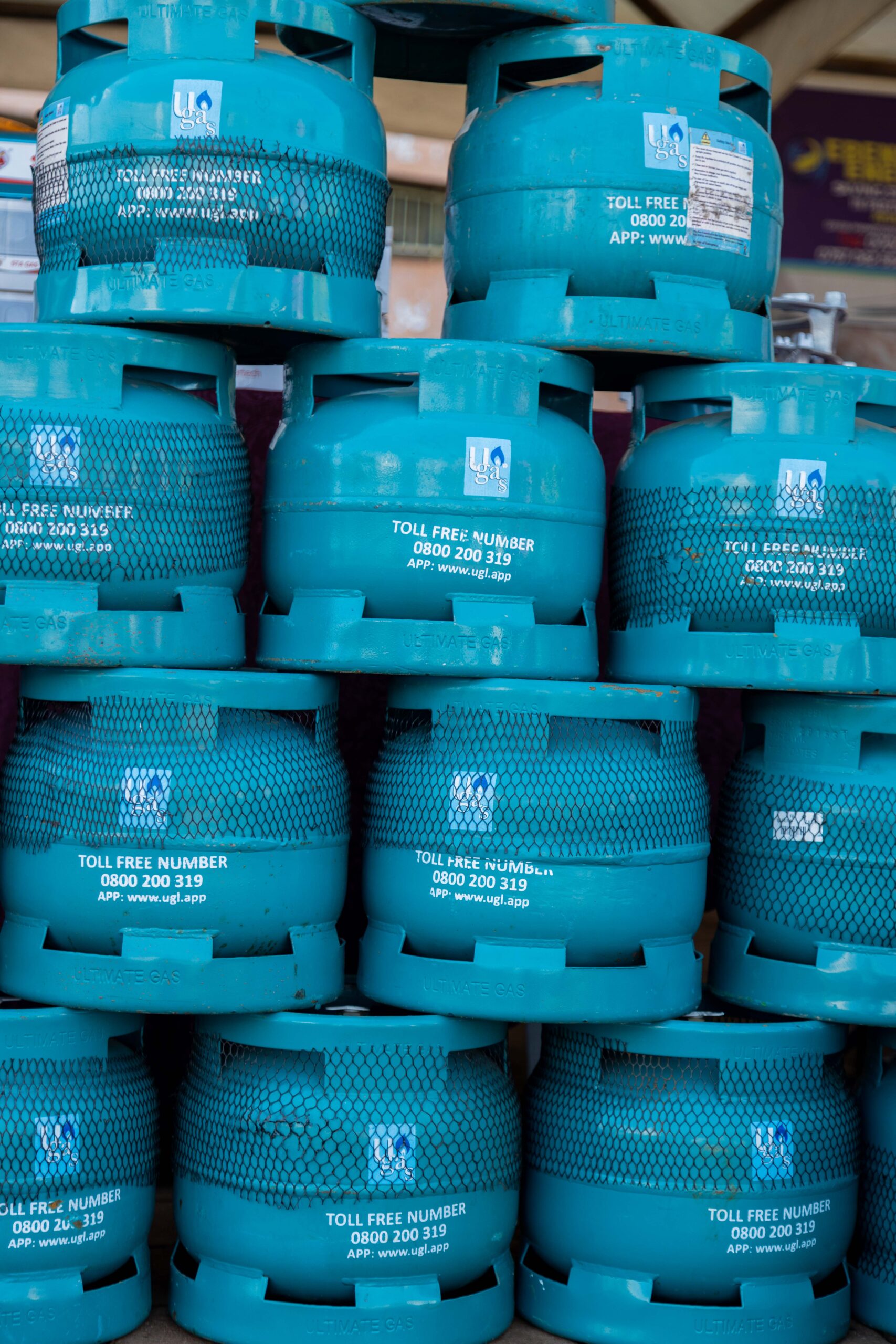 Liquefied Petroleum Gas (LPG) stoves are fueled by a clean-burning gas composed of propane and butane. LPG stoves are highly efficient, easy to use, and provide instant heat, making them a convenient alternative to traditional cooking methods.
Key Features:
Liquefied Petroleum Gas (LPG) stoves are fueled by a clean-burning gas composed of propane and butane. LPG stoves are highly efficient, easy to use, and provide instant heat, making them a convenient alternative to traditional cooking methods.
Key Features:
- Produces no smoke and reduces indoor air pollution.
- Offers instant, controllable heat for fast and efficient cooking.
- Widely available in urban centers and some rural markets.
- High initial cost for cylinders and stoves.
- Dependence on regular refilling services, which may be unreliable in remote areas.
- Potential safety risks if not handled properly.
Policy, Planning, Standards, Quality, Institutions, and Markets (PPSQIM)

Natural gas stoves use methane delivered through piped infrastructure. This low-emission fossil fuel provides a reliable, efficient, and consistent energy source for cooking.
Key Features:
- Produces lower greenhouse gas emissions compared to other fossil fuels.
- Offers precise temperature control for better cooking efficiency.
- Reliable and available 24/7 in areas with gas pipelines.
Challenges:
- Infrastructure for piped natural gas is limited to urban areas.
- Requires initial investment in pipelines and appliances.
- Dependency on non-renewable fossil fuel.
Best Use Cases:
Natural gas stoves are most suitable for urban households, restaurants, and industries with access to natural gas pipelines. They provide consistent energy for high-demand users.